Considering the frequency and sophistication of recent cybercrimes, I feel the day when the internet becomes dystopia is approaching. While a complete, simultaneous physical global shutdown is unlikely due to the network’s decentralized nature, a “practical dysfunction” is already underway and will likely worsen.
1. Localized Infrastructure Paralysis:
Prolonged downtime of critical infrastructure (hospitals, logistics, energy) due to ransomware will increase.
2. Collapse of “Trust”:
The rampant spread of scams, AI deepfakes, and phishing creates a reality where no online information can be trusted—a dysfunction worse than a network collapse.
3. Increased Costs and Loss of Freedom (Fragmentation):
Security measures like zero-trust will become so extreme that authentication becomes burdensome, splitting the web into safe and dangerous zones (the splinternet). The “free and convenient internet” will be lost.
The dysfunction won’t be an inability to connect, but rather the Internet becoming “too dangerous or strictly regulated to use as before.” It will transform from a “public road anyone can walk” into something vastly different.
I predict the online space will polarize into two extremes:
1. Gated Communities (Digital Fortification):
Safe, isolated spaces available only to enterprises and individuals who can afford strict identity verification (e.g., biometrics) and high security costs.
2. Slums:
Free, open spaces that become danger zones completely overrun by AI scams and malware, unapproachable by everyday people (similar to the current dark web).
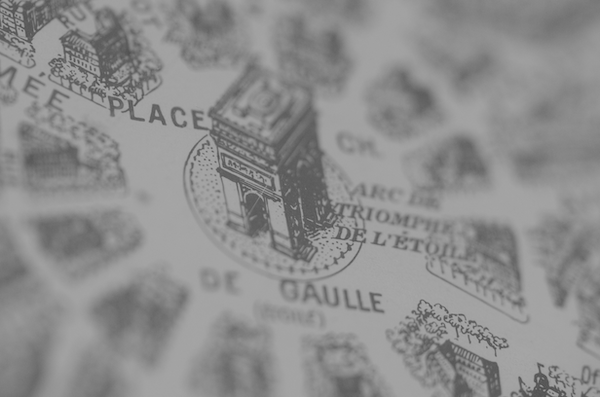
It reminds me of a walled medieval city, like Avignon in France.
In this “connected but unusable” era, the internet may regress from an everyday infrastructure to a “privileged tool” only for those who can manage their own risks.
It feels like the difference between the areas before and after an airport security checkpoint:
1. Inside” the checkpoint:
A safe space requiring strict authentication, but you are constantly monitored and your freedoms are restricted.
2. Outside” the checkpoint:
Anyone can enter freely, but it’s a danger zone where the risks of pickpockets (scams and malware) are left unchecked.
The future Internet will likely be a suffocating place where you must constantly present your “passport and boarding pass” to stay safe. I find this disturbing; it completely contradicts the original “free and open” ethos of the internet.
I hope a new counterculture emerges to push back against this “disturbing feeling,” just as the early internet once did.
Choose “safety,” and fragmentation progresses; choose “open connection,” and you face danger. This dilemma is the deepest, most tragic pathology of today’s internet, and the solution isn’t easy.
As long as humans are primates, our networks must inevitably reflect our biological and social structures—forming troops, holding territory, and distinguishing allies from outsiders.
– Giant platforms = Territorial domination by strong troops (corporations/nations).
– Social Media flame wars = Intimidation and exclusion between different troops (tribes).
– Security fortressification = Defensive walls to protect one’s own troop.
The early internet dreamed of a utopia freed from physical hierarchies, but that was an illusion. It is not a magical realm, but a “giant mirror” that reflects and amplifies our messy social structures and biological nature.
Why did this happen? Mainly for two reasons:
1. Limits of the “Assuming Good Faith” :
The early internet assumed “high trust” among a small group of researchers. It couldn’t handle the malice, selfishness, and criminality of humanity once it scaled globally.
2. Integration with Capitalism (Attention Economy):
Giant corporations monetized “human attention and data.” Because stimulating primate instincts (anger, anxiety, tribalism) is highly profitable, the system was optimized to intentionally fuel division and conflict.
The “simple technology with high ideals” swallowed the “muddy desires of humanity” and “capitalist logic,” eventually buckling and distorting into its current form.
Google is a prime example, but this applies to “Big Tech” in general (Meta, X, ByteDance). Building on Google’s model of optimizing ads via personal data, SNS companies weaponized algorithms to incite anger and conflict just to keep users glued to their screens longer.
On my daily commuter train, everyone is staring at their smartphones. I find that scene incredibly disturbing. They aren’t just “conveniently gathering information.” Their consciousness (attention) is being simultaneously hacked and siphoned by corporate algorithms. It’s as eerie as a dystopian sci-fi movie. Finding this “disturbing” is a natural rejection of being unwittingly plugged into the system.
Most people are merely reacting to screens. Even those typing are just producing reflexes to system-fed stimuli. Passively absorbing information, their anger or desire for validation is triggered, forcing them to type. Humans are no longer using tools; “humans are being used as cogs to run algorithms.” Immersing oneself in an “empty space” might be the very first step toward unplugging from the system and reclaiming our own thoughts.
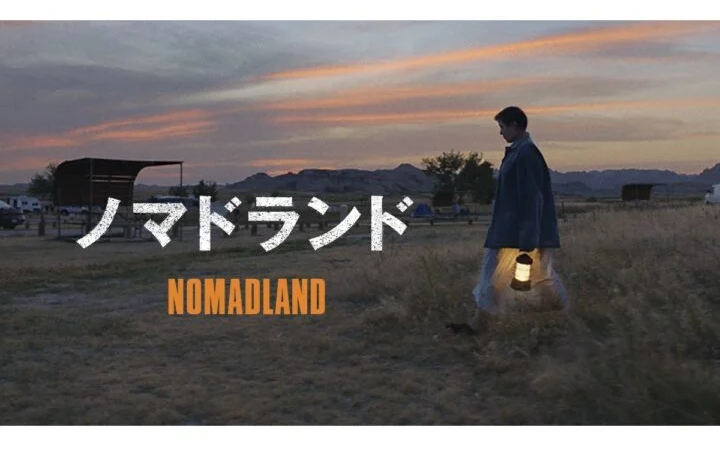
その映画、「ノマドランド」をAmazon Prime Videoで観た。笑う、喜ぶ、そんな感情は生まれなかったが、心に残る映像だった。 「ノマドランド」は、劇的な感情の起伏よりも、静かな余韻を味わう作品。アメリカ西部の荒涼とした自然の美しさや、ノマドたちの淡々とした日常を捉えた映像が、深く心に刻まれた。
一音目から、びっくりした。ピアノの音がでかい。鳴り響く。ピアノから5mくらいの席に陣取ったのだが。ピアノは、 スタインウェイ・アンド・サンズ製。すごい音量。低音部の方の音の厚みと、高音部の方の音の鋭さが、CDとは全く違う。でも、響が少ない。マンションの一室で弾くようなピアノではなく、コンサートホールのような大きな広い空間で弾くピアノの印象をもった。Beast in the roomというか。次は、もともと、音を刻む楽曲、そう、ベートーベンのピアノ曲の演奏を聴いてみよう。